

Poison Ivy Isn’t Contagious

The Kansas City area definitely is familiar with poison ivy.
Most of us have come into contact with the plant at some time in our lives. We seem to know what to expect from those “leaves of three.” However, a common misconception about poison ivy is that the blistering rash it causes can spread from person to person, or from one part of the body to another through the fluid inside the blisters.
To the contrary, poison ivy is completely non-contagious. The rash is an allergic reaction—specifically, allergic contact dermatitis—triggered exclusively by urushiol, an invisible, oily resin found in the sap of the poison ivy plant. Once this oil binds to the skin, it initiates an immune response. The fluid inside the resulting blisters is simply the body's natural inflammatory response and does not contain any urushiol, meaning touching the fluid or the rash itself cannot transmit the condition to anyone else.
The illusion that the rash is "spreading" across someone's body usually stems from delayed reactions or hidden oil contamination. Different areas of the skin absorb urushiol at varying rates depending on thickness and sensitivity, meaning a reaction might appear on the face or inner arms hours or even days before showing up on tougher skin like the palms or legs. Furthermore, if the sticky urushiol oil is not thoroughly washed off with soap and water, it can linger on clothing, gardening tools, or pet fur for long periods. Touching these contaminated items days later re-exposes the skin, creating what looks like a new, spreading rash when it is actually just a brand-new point of contact.
If you have poison ivy or any stubborn rash give Dermatology Specialists of KC a call today and one of our experienced providers will attend to your skincare needs.
We want to be your Kansas City Dermatology office.
Phone: (816)942-1150
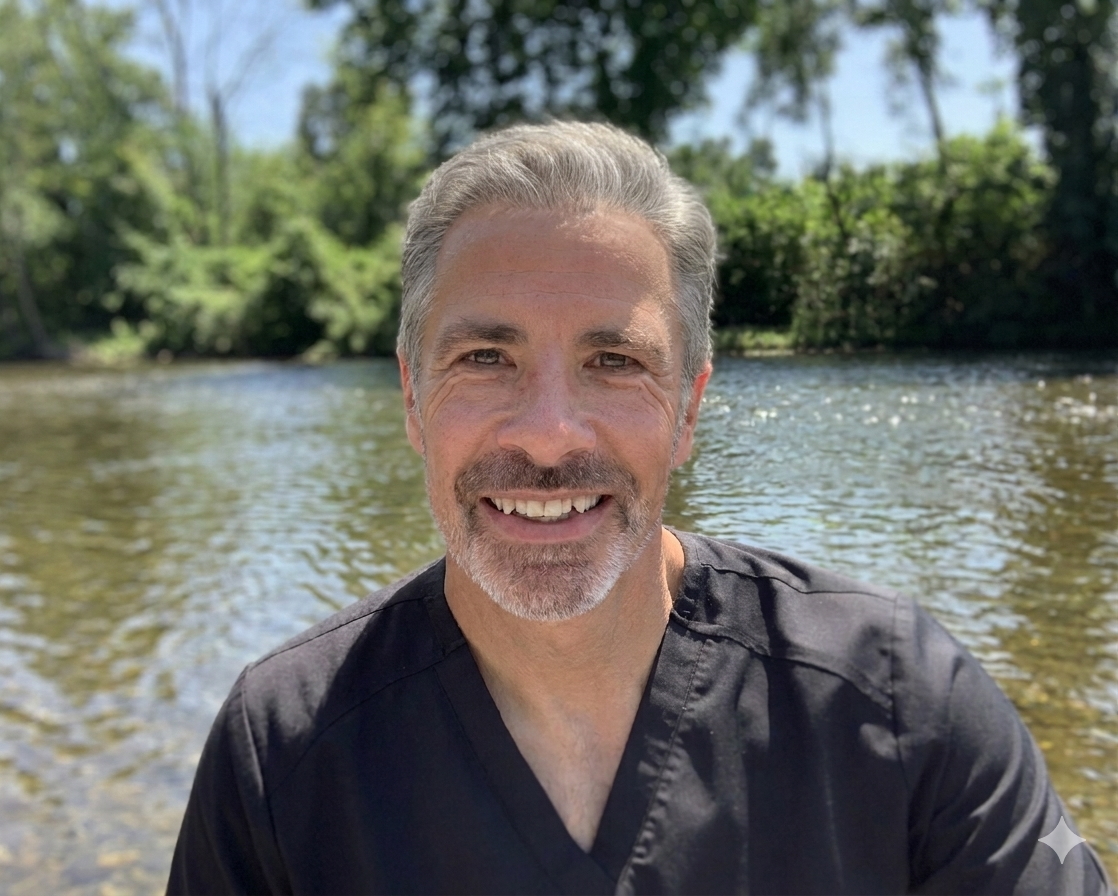
This article was reviewed by the experienced providers at Dermatology Specialists of Kansas City, like Dr. Rupp.
Our team is committed to providing knowledgeable, compassionate care for patients throughout the Kansas City area.
Thanks for reading!
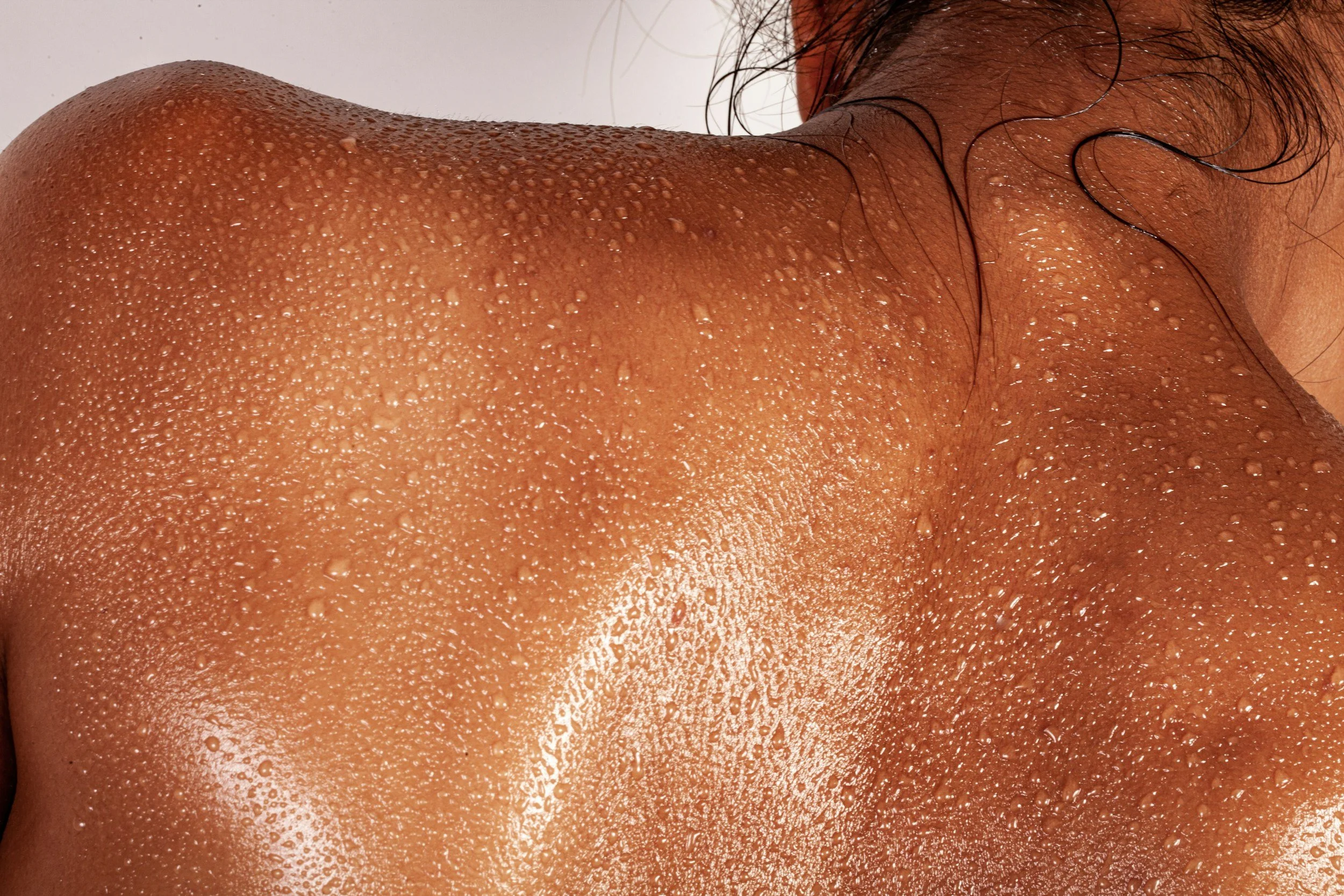
Have questions about your skin?
Schedule an appointment with our experienced dermatology team in Kansas City.